





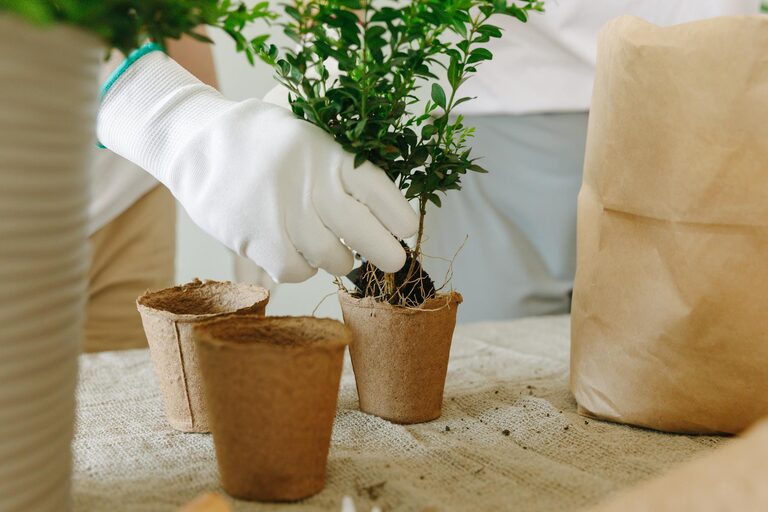
Creating a sustainable and eco-friendly home garden is a rewarding way to support the environment while enjoying fresh produce and beautiful outdoor spaces. Whether you have a large backyard or a small balcony, incorporating sustainable practices can reduce waste, save energy, and encourage biodiversity. This guide offers practical tips to help you start or improve your garden with nature in mind.
Why Choose a Sustainable Garden?
Sustainable gardening focuses on using resources wisely to minimise environmental impact. It helps conserve water, protect soil health, and promote local wildlife. Beyond environmental benefits, an eco-friendly garden can boost your mental wellbeing and provide tasty, chemical-free fruits and vegetables.
Planning Your Eco-Friendly Garden
Before planting, consider your local climate, soil type, and the space available. Thoughtful planning helps you avoid unnecessary waste and improves your garden’s resilience.
– Assess sunlight and shade: Observe where the sun shines during the day to select plants that will thrive in those conditions.
– Test your soil: A soil test can show nutrient levels and pH, guiding you on what amendments or plants to choose.
– Choose native plants: Native plants are adapted to your area’s climate and soil, requiring less water and care, and providing habitats for local wildlife.
Water Conservation Tips
Water is a precious resource, so conserving it in your garden is essential.
– Collect rainwater: Use rain barrels or containers to capture rainwater for watering plants.
– Water wisely: Water early in the morning or late in the evening to reduce evaporation.
– Use drip irrigation or soaker hoses: These deliver water directly to the roots, limiting waste.
– Mulch your garden beds: Mulch helps retain moisture, reduces weeds, and regulates soil temperature.
Soil Care and Composting
Healthy soil is the foundation of a thriving garden.
– Avoid chemical fertilisers: Instead, use organic compost or well-rotted manure to enrich your soil.
– Start a compost bin: Composting kitchen scraps and garden waste reduces landfill and produces nutrient-rich soil.
– Practice crop rotation: Rotating crops prevents nutrient depletion and reduces pests and diseases.
– Add green manure: Growing cover crops like clover or beans replenishes soil nutrients naturally.
Pest Management Without Chemicals
Protecting your garden from pests can be done without harmful chemicals.
– Encourage beneficial insects: Ladybirds, lacewings, and bees help control pests and pollinate plants.
– Use companion planting: Some plants repel pests or attract beneficial insects when grown next to each other. For example, marigolds deter aphids.
– Handpick pests: Regularly check plants and remove unwanted insects by hand.
– Create habitats: Logs, stones, and hedgerows provide shelter for predatory insects and birds.
Choosing Plants for Sustainability
Not all plants are equally eco-friendly. Consider these factors when selecting species.
– Opt for drought-tolerant varieties: Plants that require less water reduce demand on resources.
– Grow perennials: Perennial plants come back year after year, reducing the need to replant.
– Include edible plants: Growing your own vegetables, herbs, and fruits lowers your carbon footprint.
– Avoid invasive species: Some plants spread aggressively and harm local ecosystems.
Energy-Efficient Garden Practices
Sustainability extends to how you maintain your garden.
– Use manual tools: Whenever possible, choose hand tools over electric power tools.
– Recycle garden materials: Use fallen leaves as mulch or plant supports from recycled materials.
– Opt for solar-powered lights and water features: These reduce electricity use while adding charm.
– Limit lawn areas: Lawns often require more water and maintenance; replacing some lawn with native plants can help.
Supporting Local Wildlife
Your garden can be a haven for wildlife, adding to biodiversity.
– Install bird feeders and baths: These provide food and water during scarce times.
– Plant a variety of flowering plants: Different flowers attract a range of pollinators throughout the seasons.
– Leave some wild areas: Let parts of your garden grow naturally to support insects and small animals.
– Avoid pesticides: Chemicals harm not just pests but also beneficial species.
Maintaining Your Garden Sustainably
Routine care ensures your garden remains healthy and environmentally friendly.
– Prune and trim responsibly: Avoid cutting during nesting seasons and compost trimmings.
– Monitor soil moisture: Prevent overwatering, which wastes water and can harm plants.
– Keep records: Note planting dates, successes, and challenges to improve each season.
– Share knowledge and plants: Connect with local gardening groups to exchange tips and seeds.
Conclusion
Building a sustainable and eco-friendly home garden is an enjoyable way to contribute to environmental health and create a beautiful personal space. By planning carefully, conserving water, enriching soil naturally, managing pests without chemicals, and supporting wildlife, you can cultivate a thriving garden that benefits you and the planet.
Start small, learn as you go, and celebrate each step towards greener living right outside your door. Happy gardening!



More Stories
Tips for Creating an Inviting and Organised Home Workspace
How to Create a Cosy and Inviting Living Room on a Budget
Create the Perfect Cosy Reading Nook at Home: Simple Tips and Ideas