




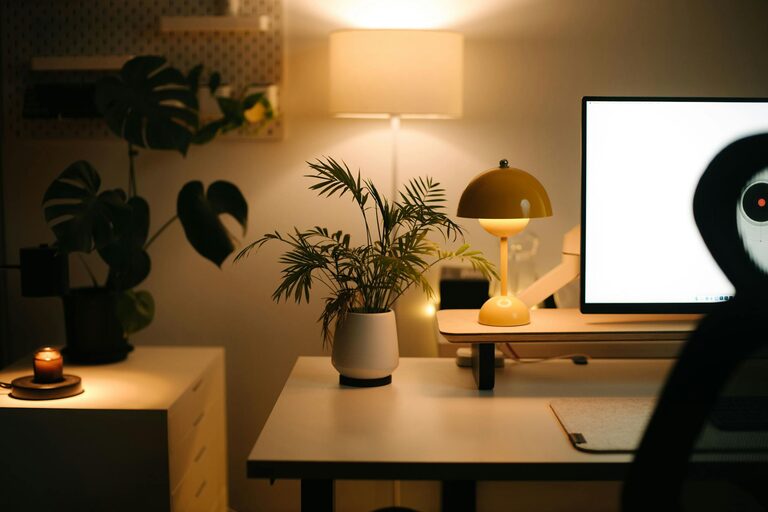
Creating a relaxing home workspace is essential for anyone working remotely or spending significant time on projects at home. A well-designed space can improve focus, reduce stress, and make your workday more enjoyable. Whether you have a dedicated room or a small corner, there are simple steps to create an environment that supports both productivity and comfort.
Why a Relaxing Workspace Matters
Your environment strongly influences your mood and efficiency. A cluttered, noisy, or uncomfortable workspace can lead to distractions and fatigue. Conversely, a space that feels calm and personalised can motivate you to stay on task and feel more content throughout the day.
Choose the Right Location
Pick a Quiet Spot
Identify an area in your home where you can easily separate work from relaxation. Avoid high-traffic or noisy zones like the kitchen or living room if possible. A quiet corner in a spare room or bedroom can be ideal.
Consider Natural Light
Placing your desk near a window lets in natural light, which can boost mood and energy levels. If natural light is limited, invest in good-quality lighting to mimic daylight – adjustable desk lamps can reduce eye strain.
Invest in Comfortable Furniture
Ergonomic Chair
A supportive chair is one of the most important items in your workspace. Look for adjustable features such as height, back support, and armrests. Comfort helps prevent back pain and keeps you focused.
Suitable Desk Height
Ensure your desk height suits your body and chair. Your elbows should be at about a 90-degree angle when typing, and your screen should be at eye level to avoid neck strain.
Keep Your Workspace Organised
Declutter Regularly
A tidy space reduces distractions and helps you feel calm. Only keep essential items on your desk, and use storage solutions like drawers or shelves for documents and supplies.
Use Organisers
Consider desk organisers, trays, or cable management tools to keep items neat and prevent tangling of cords.
Add Personal and Calming Touches
Greenery
Include some plants in your workspace. Indoor plants not only brighten the area but can also improve air quality and reduce stress.
Colours and Decor
Choose soft, muted colours to create a relaxing vibe. You might add artwork or inspiring quotes that motivate you without overwhelming the senses.
Scent and Sound
A subtle diffuser with calming scents (like lavender or eucalyptus) can enhance relaxation. Background music or white noise apps can also help mask distracting sounds.
Create Effective Boundaries
Establish Clear Work Hours
Set specific times for starting and finishing work to avoid overworking. Communicate these boundaries to family or housemates to minimise interruptions.
Separate Work and Rest Areas
If possible, keep your workspace separate from areas where you relax or sleep. This helps your brain associate your desk with work mode only.
Maintain Good Habits
Take Breaks
Incorporate short breaks to stretch, walk, or rest your eyes. This lowers fatigue and supports long-term productivity.
Stay Hydrated and Nourished
Keep a water bottle nearby and plan healthy snacks to sustain energy levels.
Use Technology Wisely
Use productivity apps, timers, or reminders to keep you on track. Limit social media or unrelated browsing during work periods.
Conclusion
Crafting a relaxing home workspace is more than just aesthetics; it’s about creating an environment that supports your wellbeing and work goals. By paying attention to location, furniture, organisation, and personal touches, you can build a space that helps you work more comfortably and effectively. Small changes can make a big difference in your day-to-day experience, boosting both productivity and comfort.



More Stories